
What to Eat After Training to Adapt and Improve
Training is the stimulus. Recovery is where the adaptation happens. Get the nutrition right in that window after you finish — and everything you worked for in the session gets locked in.
Pip Taylor APD · Accredited Sports Dietitian · Former Professional Triathlete
Here's a way of thinking about training that I come back to constantly: the training session is not where adaptation happens. The training session is a carefully applied stress that creates the signal for adaptation. The adaptation itself — the building, the repairing, the getting stronger — happens in recovery. And recovery requires raw materials.
Put bluntly: if you train hard and then don't eat well to support recovery, you've done the hard part and skipped the payoff. The session happens. The adaptation mostly doesn't.
I've worked with a lot of athletes who are genuinely confused about why they're not improving despite consistent training. Often, when we look closely at what happens after sessions, the picture becomes clear. They're training well and recovering poorly — and nutrition is almost always a significant part of why.
"I think of post-training nutrition as the last 10% of the session itself. Neglecting it is like doing 90% of a workout and leaving before you finish. The effort was there. The result isn't."
What's Actually Happening in Your Body After a Hard Session
After endurance or high-intensity training, your body is in a state of controlled damage. Muscle fibres have micro-tears from the mechanical stress of work. Glycogen stores are partially or fully depleted. Hormonal environment is shifted — cortisol elevated, testosterone suppressed. Inflammatory processes are active. Fluid and electrolytes are depleted.
This is not a problem. This is the point. The damage is the signal that tells your body to rebuild stronger, store more glycogen, develop more mitochondria, and improve the many other physiological variables that training targets.
But those rebuilding processes need materials. Without adequate nutrition arriving in a timely way, the signal goes partly unanswered. Recovery is slower. Adaptation is blunted. And the next session starts from a lower baseline than it should.
30–45 minutes — the acute recovery window when muscle is most receptive to glycogen replenishment and protein synthesis
1.2g per kg bodyweight of carbohydrate — the target for glycogen restoration in the immediate post-training window after hard sessions
20–40g of protein — the range that maximally stimulates muscle protein synthesis in the recovery period after training
The ‘Recovery Window’ — Why Timing Matters
The acute recovery window — the 30–45 minutes immediately after a session — is when your muscles are most receptive. Glycogen synthase activity is elevated, meaning carbohydrate consumed now is converted to glycogen more efficiently than at any other time of day. Protein synthesis signalling from the training stimulus is active.
This doesn't mean you'll turn into a pumpkin if you eat at 50 minutes instead of 30. The window matters more when you have another hard session in the same day or the following morning, and less when you have 48 hours before your next quality session. But as a general principle, the sooner you eat after training, the better your recovery will be — and waiting until you "feel hungry" is a common mistake, because appetite suppression immediately post-exercise often means athletes delay eating by an hour or more.
-
Prioritise carbohydrate + protein together
This is when glycogen replenishment is most efficient and muscle protein synthesis signalling is active. You don't need a full meal — a recovery snack or shake with 1–1.2g/kg carbs + 20–25g protein is enough to start the process. Fluid and electrolytes too.
-
Full recovery meal — your most important meal of the day
A balanced meal with substantial carbohydrate to continue glycogen replenishment, adequate protein for muscle repair, vegetables and fruit for micronutrients and antioxidants. Don't undereat here — this meal does more work than any other in your day
-
Keep protein distributed, stay hydrated
Muscle protein synthesis remains elevated for hours after training. Regular protein-containing meals and snacks throughout the afternoon and evening continue to support adaptation. Hydration with electrolytes, not just water. Anti-inflammatory foods: oily fish, colourful vegetables, berries.
-
Casein protein + sleep quality nutrition
The biggest single recovery intervention available. Deep sleep is when growth hormone peaks, cellular repair accelerates, and cognitive consolidation happens. A small casein-rich snack before bed (cottage cheese, Greek yoghurt) can support overnight protein synthesis. Prioritise 8+ hours consistently.
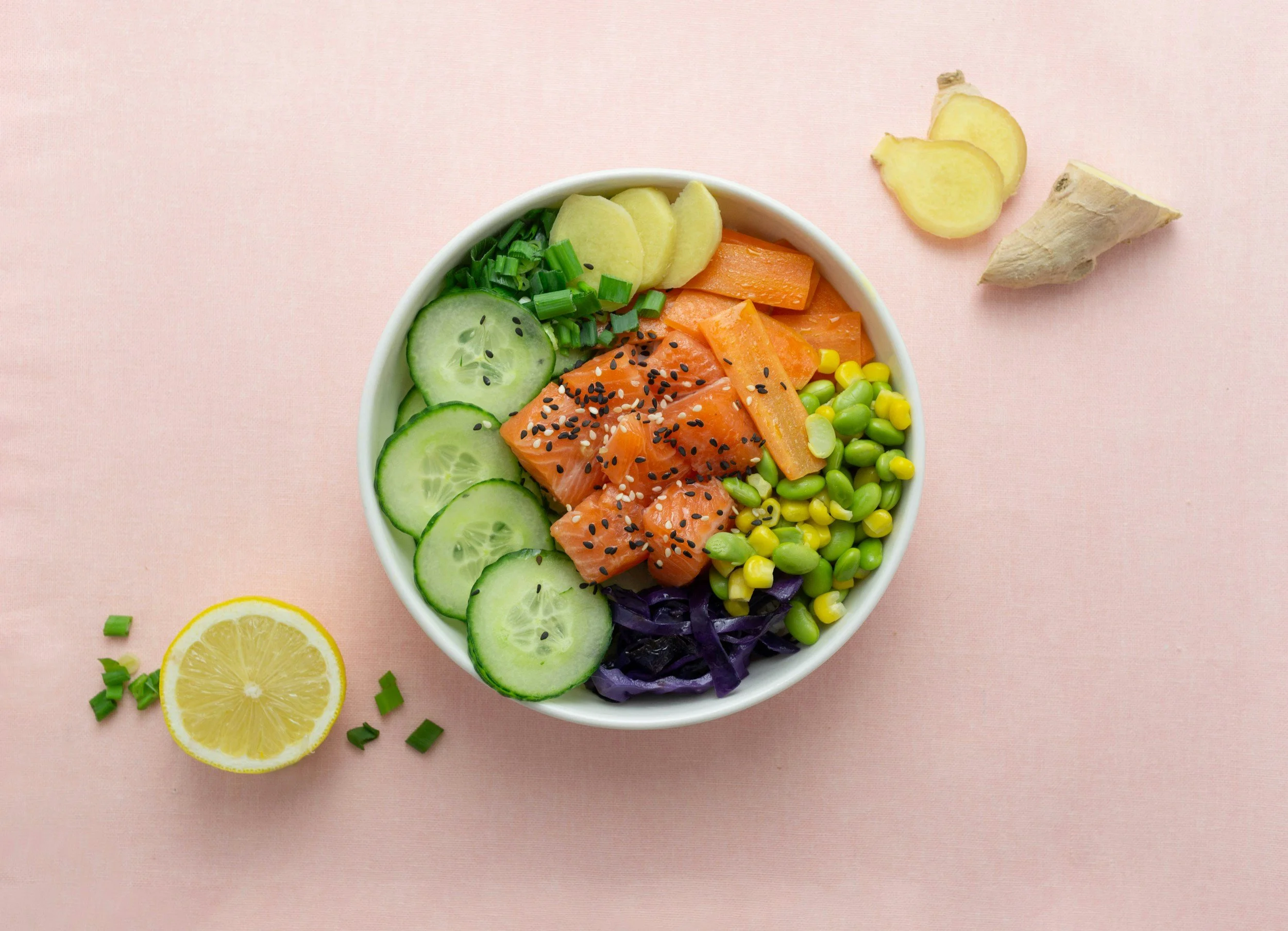
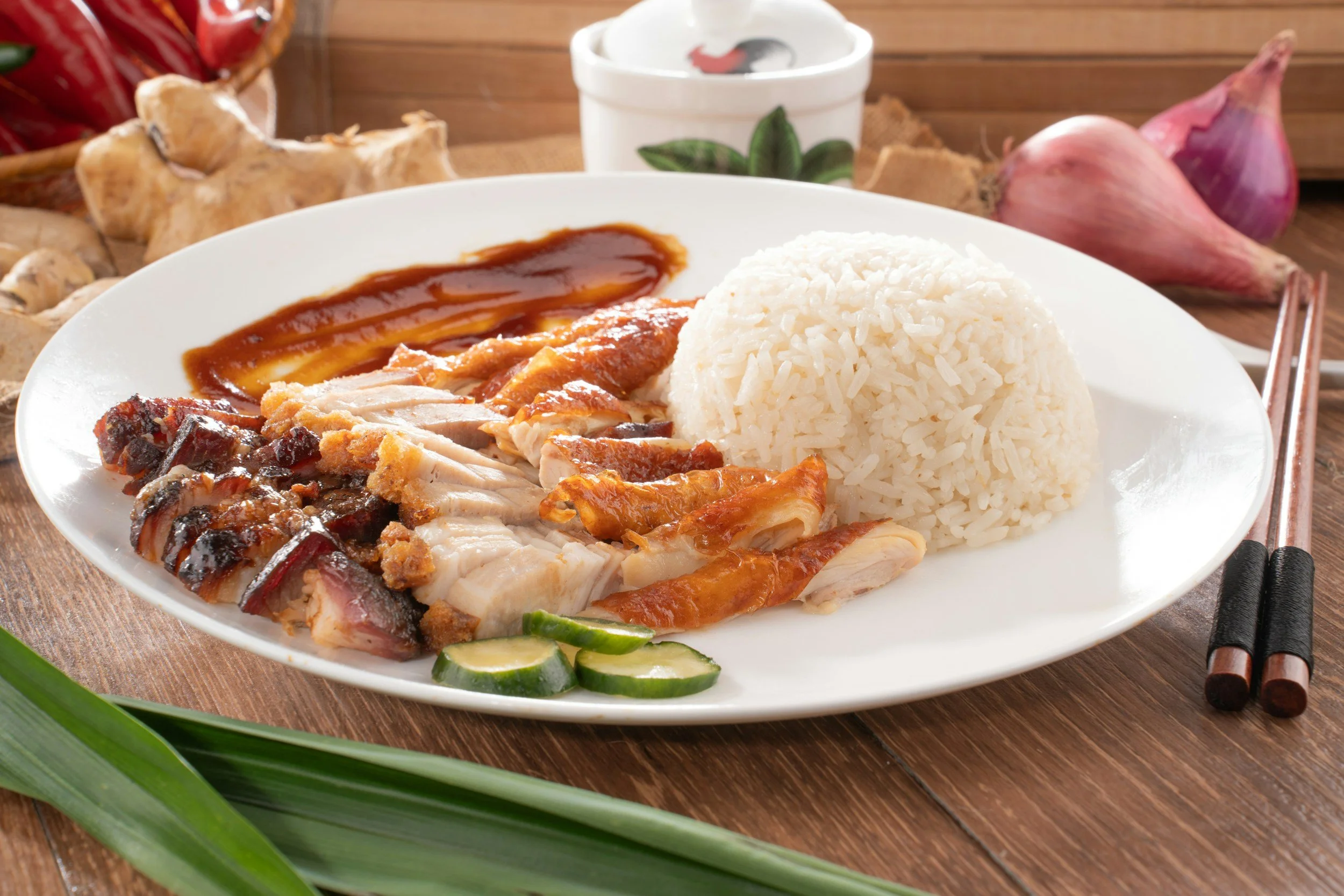
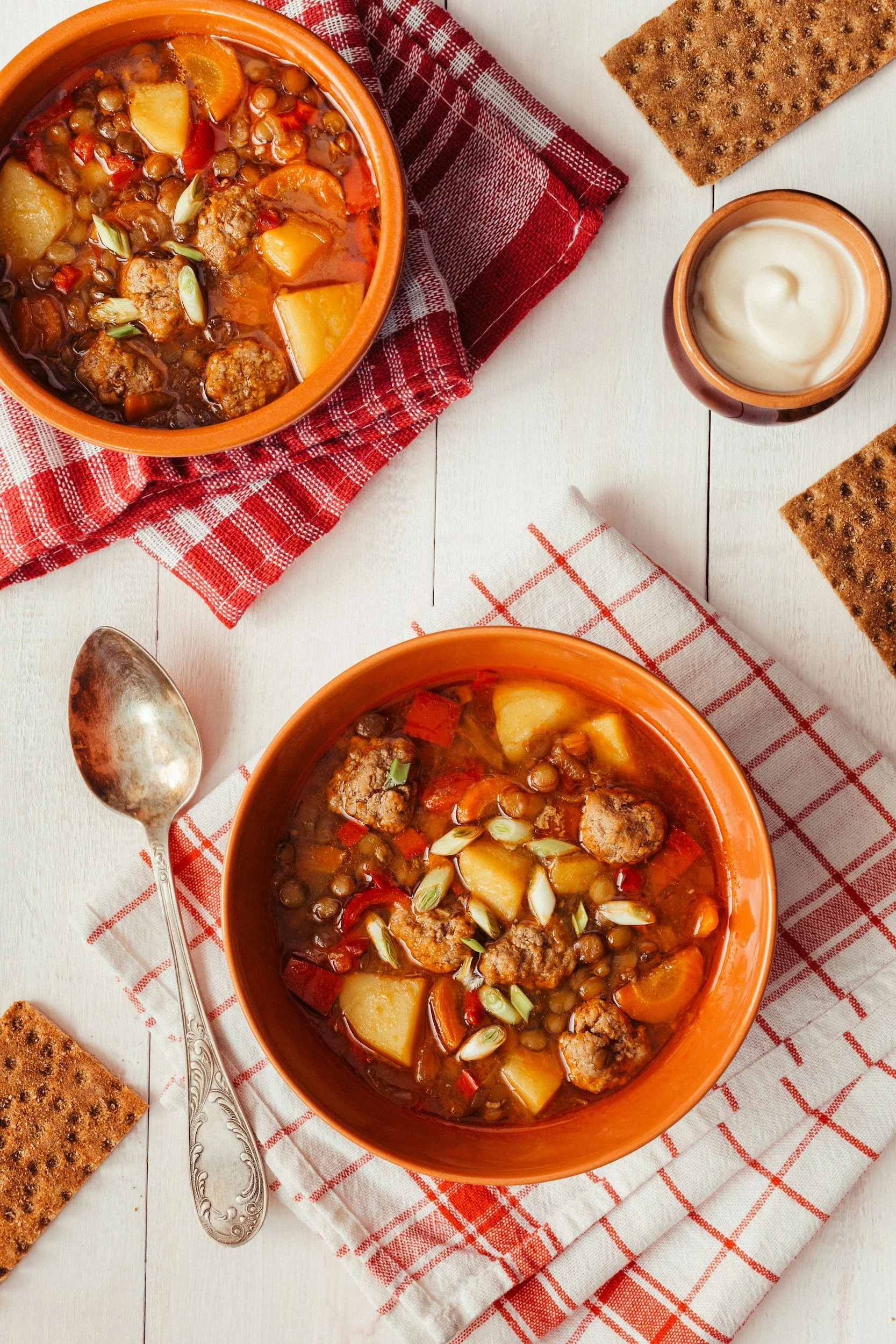
What to Actually Eat — Practical Ideas
Theory is useful. What to put in your mouth when you walk in the door is more useful.





Recovery Myths I Want to Retire
✕ MYTH
"I'll wait until I'm hungry to eat after training."
✓ REALITY
Post-exercise appetite suppression is real — many athletes don't feel hungry for 60–90 minutes post-session. By then, the most important recovery window has passed. Eat by the clock, not by hunger, in the first 45 minutes
✕ MYTH
"I shouldn't eat much — I want to keep the calorie burn going."
✓ REALITY
Under-eating post-training suppresses the adaptation signal, elevates cortisol, increases muscle breakdown, and compromises the next session. The training effect you worked for requires nutritional support to be realised. Recovery eating is not undoing your session. It's completing it.
✕ MYTH
"Protein is all that matters after training."
✓ REALITY
Carbohydrate and protein together outperform protein alone for recovery. Carbohydrate restores glycogen, spares protein from being used as fuel, and stimulates insulin which supports amino acid uptake into muscle. You need both
✕ MYTH
"A protein shake is enough for recovery."
✓ REALITY
A protein shake alone won't restore glycogen, replace electrolytes, or provide the micronutrients needed for full recovery. Use it as a quick protein supplement within the acute window, then follow up with a proper meal. The shake is a bridge, not the destination.
The Things That Undermine Recovery Even When You Eat Well
Nutrition is critical. But it operates within a broader recovery ecosystem. Here are the other variables I address with athletes when recovery is the problem:
Sleep quality and quantity — this is non-negotiable. No amount of good food compensates for chronic sleep deprivation. Growth hormone secretion, tissue repair, and cortisol regulation all require deep, adequate sleep. 8 hours is a target, not a luxury
Alcohol post-training — even a couple of drinks post-session measurably impairs protein synthesis, disrupts sleep architecture, and increases inflammation. I'm not saying never drink. I'm saying be honest about the timing and frequency, and don't confuse celebration culture with recovery strategy
Chronic under-eating during the day — athletes who eat well after sessions but significantly under-eat across the rest of the day are in an ongoing energy deficit that undermines everything. Recovery nutrition in the window matters, but total daily energy availability matters more
Anti-inflammatory foods chronically neglected — oily fish, colourful fruit and vegetables, olive oil, nuts. These aren't supplements — they're the everyday dietary pattern that keeps background inflammation manageable and supports connective tissue health over time
Dehydration going into sessions — recovery from a session you started dehydrated is always harder. Hydration is a 24-hour job, not a peri-exercise one
A WORD ON BACK-TO-BACK SESSIONS
If you're training twice in one day, or have a hard session within 8 hours of completing another, the acute recovery window becomes critical rather than just important. In this scenario, the 30–45 minutes after session one is genuinely your preparation for session two. Prioritise carbohydrate replenishment above all else — the glycogen you restore now determines the quality of what comes next. Don't wait until you feel like eating. Eat immediately and eat enough.
Recovery for Different Times/Needs
✓ HIGH VOLUME TRAINING PHASES
Increase total daily carbohydrate — don't reduce because training is "going well"
Protein: 1.6–2.0g/kg/day, distributed across 4+ meals
Iron-rich foods daily — depletion accelerates under high load
Anti-inflammatory foods every day — turmeric, oily fish, berries, leafy greens
Recovery smoothie immediately post every hard session — make it automatic
Sleep 8+ hours — this is training, not laziness
→ TAPER AND RACE WEEK
Recovery nutrition still matters even with reduced training volume
Focus shifts from glycogen restoration to glycogen building — increase carbohydrate from Day 4 out
Keep protein consistent — maintain muscle tissue quality
Reduce fibre and fat progressively as race approaches
Prioritise sleep above everything else in the final 3 nights before race day
Rehydrate after every session: 150% of estimated fluid losses
WHAT ABOUT INJURY RECOVERY?
Nutritional needs don't decrease when you're injured — in many ways they increase. Protein requirements remain high (the body is actively repairing tissue) and specific nutrients become more important: vitamin C for collagen synthesis, zinc for wound healing, omega-3 to manage inflammation, vitamin D for bone and connective tissue. The mistake many injured athletes make is reducing intake because training load is lower. The body is doing significant repair work. Feed it accordingly.
Recovery is where the work you did in training pays off. It's where aerobic capacity increases, where muscles get stronger, where the physiological adaptations that make you a better athlete actually happen. And it only occurs with the right nutritional raw materials, delivered at the right time.
You don't have to make it complicated. Eat soon after you finish. Include carbohydrate and protein together. Stay hydrated with electrolytes. Sleep. Repeat. That simple pattern, applied consistently over a training block, is one of the most powerful performance interventions available — and it costs nothing but attention.